
One of the wonderful things about the Gospel of John is the Book of Signs a name commonly given to the first main section of the Gospel of John, from 1:19 to the end of Chapter 12. Included within this section are the seven signs of the reign of God as evidence, as witness, to a new creation. The seven signs are
- Changing water into wine at Cana in John 2:1-11
- Healing the royal official’s son in Capernaum in John 4:46-54
- Healing the paralytic at Bethesda in John 5:1-15
- Feeding the 5000 in John 6:5-14
- Jesus walking on water in John 6:16-24
- Healing the man blind from birth in John 9:1-7
- The raising of Lazarus in John 11:1-45
 Several days ago I posted an article about
  Today is the Feast of St. Patrick which has optional readings you can find
  Today’s readings are a combination of the well-known (the Gospel) and the “what’s-going-on” (Ezekiel). The former is the familiar story of the man, afflicted for 38 years, who encounters Jesus, is healed and has hope restored. The latter is a grand vision of living waters flowing from the Temple into all the land bring abundance and life.
 Today’s
 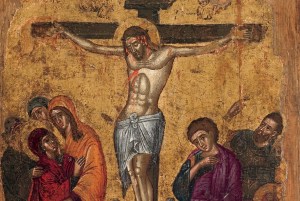 Our text from the
 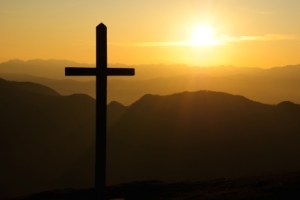 John 3:16 – “For God so loved the world that he gave his only Son” It is perhaps the best-known bible verse here in the United States. It appears on bumper stickers and will no doubt appear during the upcoming NCAA basketball tournament. It’s everyone’s favorite Bible verse. Why not? God loves us. Swish – nothing but net. Game over. Nothing left to do but flood the court in unbridled joy!
 The small band of brothers living at Rivo Torto and later at the Porziuncula, were drawing others to their way of following Christ in the world. And if they expected to find a uniform dress code, posted rules, a great deal of organization, a formation program, or even someone to sit them down and explain what was expected – they were in for a surprise. Francis assumed that his followers would learn by imitation. Giving them rules or structures to follow was not merely difficult for him, it went against the grain of the meaning of minority – to be the lesser brother. The new arrivals simply did what Francis did: daily prayer, work at a local leprosarium, go to local churches to participate in Eucharist, eat, pray again, witness to the local Umbrian people near Assisi, and live a life in community. The brothers had to watch Francis closely and do their best to understand.
  friarmusings