

Scuttlebutt? I am not sure if that word is part of your working vocabulary, but for every naval person that ever was, scuttlebutt is a term that means rumors. As in, “have you heard the scuttlebutt? We’re making a mid-patrol stop at….” During my time serving onboard a submarine there was one patrol in which the scuttlebutt was so sure that it was elevated to “the gouge” – an expression that meant the real, insider knowledge. It was our own ontological vocabulary to separate fact from fiction… or at least to label such things. Continue reading
 Each Sunday at Mass, we profess our faith. We proclaim what we believe via the Creed. A creed is a brief statement of faith used to list important truths, to clarify doctrinal points and to distinguish truth from error. The word creed comes from the Latin word credo, meaning, “I believe.” The Bible contains a number of creed-like passages. The Jews still recite a creed known as the Shema that comes from

 Christmas 2019. I think most pastors and their vicars, if asked, would remember back to the days when attendance at church overflowed the pews, into the aisles, and perhaps out the door. We Catholics, a largely silent and patient bunch, are given to sitting quietly awaiting the start of liturgy. Long ago silent reverence for “God’s house” was drilled into our consciousness and obedience. We would fidget, bu quietly. Remember the expression, “as quiet as a church mouse? They were the noise makers. But even we had our own special stirrings and sounds of life – especially on the solemnities and feast days.
 Today across the Church universal and especially among the Franciscan communities, we celebrate the Feast of St. Clare of Assisi. It is a very appropriate
 The
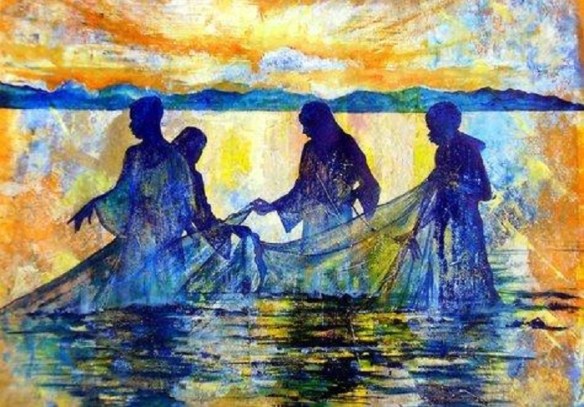 Would that acquiring our funds for paying taxes were simply a matter of taking an afternoon off and going fishing. Wouldn’t that be nice! I think
 …is an interesting occurrence. The Church will celebrated the
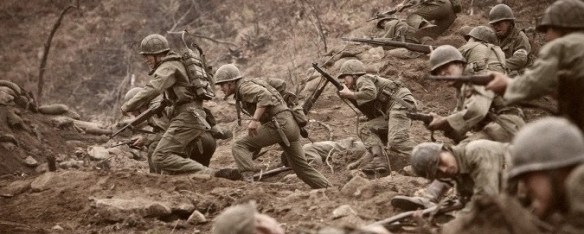 When the 1960s came around, the “Greatest Generation” – those men and women who served during World War II were still largely and stoically silent about their wartime experiences – but the television networks began television shows about the war. Series such as “Combat,” “12 O’Clock High,” and “Men at War” became staples of prime time viewing. Knowing things about WWII became part and parcel of determining one’s status within the pack (and here I am referring to Cub Scouts). Sure, you might be able to identify the German Messerschmidt 109 fighter aircraft from a flash card, but the real test was could you identify the difference between 109-C and the 109-G series (except the 109-G6 which was soooo… obvious). Clearly such things were critical to national defense among the Cub Scouts. Or so it seemed at the time.
 In

