
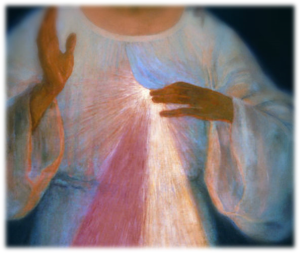
 In last week’s column I wrote about forgiveness. I started out the column as a reflection on the readings from Scripture for the first week of Advent, noting how the readings did not seem to fit the mood of Christmas coming. The column explained that they weren’t meant to be – it’s Advent, a time of waiting and reflecting despite what the commercial world of commerce would have you believe. But maybe the draw of Christmas is too powerful. The column sort of morphed itself into the idea of forgiveness as the gift you give. The end of the column said: “What ‘Christmas gift’ comes along with this life of forgiveness? Lower blood pressure, restful night, sweet dreams, peace, no longer being a victim, uninterrupted prayer, a new experience of God’s love… and so much more. Your gift is waiting right there under the tree, the cross of Christ. Go ahead, open your gift. `Tis always the season.’” Continue reading
Gift of Mercy
Reply
 Every generation has events that shape the psyche and memory of their time. Consider the terror attacks of September 11th, 2001. Do you remember where you were when you heard the news? 27 percent of our current citizenry does not because they were born after or were too young to remember the events of that day. It is not that they are not familiar with the events of that day and all the consequences of it, but the day does not have the same resonance for them as it does for we watched in shock as the towers were struck and then fell.
  From the blog, “
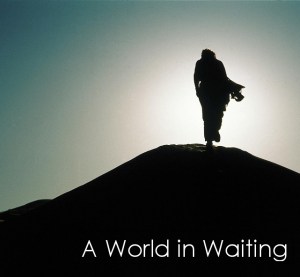 Advent [meaning “coming”], to the Church Fathers, was the right naming of the season when light and life are fading. They urged the faithful to set aside four weeks to fast, give, and pray—all ways to strip down, to let the bared soul recall what it knows beneath its fear of the dark, to know what Jesus called “the one thing necessary”: that there is One who is the source of all life, One who comes to be with us and in us, even, especially, in darkness and death. One who brings a new beginning.
  The
The  When I lived in Kenya, there came a day in the slum when I beheld a Chevy pickup truck heading my way. Now pickup trucks were not uncommon, at least not if they were a Toyota. But a Chevy…well, I had to wave the driver down and inquire about the origins of such an American icon on the unpaved roads of Kibera. Turns out the driver was a pastor of a missionary Baptist church in the Nairobi area – good ol’ boy from Tennessee. Now the pickup truck made perfect sense.
  I am grateful for a day in which we, as a people, pause to give thanks. And who do we have to thank for this holiday? Your answer is likely “The Pilgrims.” You would not be wrong, but then not completely correct, either. Certainly, Thanksgiving and the religious response of giving thanks to God is as old as time. When one considers enduring cultures, one always finds men and women working out their relationship to God. There is almost always a fourfold purpose to our acts of worship: adoration, petition, atonement, thanksgiving. Such worship is part and parcel of life. And yet, there is still a very human need to specially celebrate and offer thanksgiving on key occasions and anniversaries. Since medieval times, we have very detailed records of celebrations marking the end of an epidemic, liberation from sure and certain doom, the signing of a peace treaty, and more.
  This weekend in prayer, I ran across this small quote from St. Paul’s letter to the Ephesians: “Let us profess the truth in love and grow to the full maturity of Christ the head. Through him the whole body grows, and with the proper functioning of the members joined firmly together by each supporting ligament, builds itself up in love.” (Ephesians 4:15-16)
 friarmusings