
 Two Parables. Matthew apparently intends the parable of the treasure to be interpreted together with the parable of the pearl, which immediately follows. The two parables do have common features: (I) In each case only a brief vignette of a crucial situation is given, without enough details to evaluate them as realistic stories. The interpreter should, therefore, be wary of filling in the gaps from pious imagination, but concentrate on what the parable does, in fact, portray. (2) The primary common feature is surely central to the meaning of each: The protagonist goes and sells everything for the sake of the one thing. This is the action of both the plowman and the merchant. This movement of the story as a whole is to be compared with the kingdom of God, for the kingdom is “like” neither the “treasure” of v. 44 nor the “merchant” of v. 45, but in each case somehow like the story as a whole. In each case, the protagonist acts with the single-minded response of the “pure in heart.” From the story in Mark 10:17-31, Matthew and his community had long known of the kingdom’s demand of “all,” and of one who had failed (cf. esp. Mark 10:21, where selling everything and giving it to the poor is connected with true “treasure”). Continue reading
Treasure and Pearls: two parables
Reply


 There are many different scenes and settings in which this basic scenario can play out. Barbara Taylor Brown tells of a woman in her congregation who left church, her mind and attention already turned to many things. She did not notice a lost-looking man on the sidewalk staring up at the cross on the steeple. She excused herself and started to walk on her way when the man called to her, and, pointing to the doors of the church, asked, “What is it that you believe in there?” She started to answer and then was unsure of what to say, or how to say it, or if she should say it. After a long uncomfortable silence, the man said, “Sorry to have bothered you” and walked away.

 At that time Jesus exclaimed: “I give praise to you, Father, Lord of heaven and earth, for although you have hidden these things from the wise and the learned you have revealed them to the childlike. Yes, Father, such has been your gracious will. All things have been handed over to me by my Father. No one knows the Son except the Father, and no one knows the Father except the Son and anyone to whom the Son wishes to reveal him.” (Mt 11:25-27)
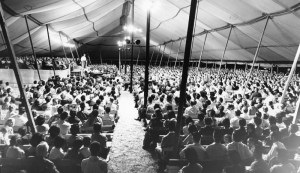 Jesus began to reproach the towns where most of his mighty deeds had been done, since they had not repented. “Woe to you, Chorazin! Woe to you, Bethsaida!” (Mt 11:20)
 friarmusings