
Our reading today is from John 6, the whole of which is rightly called the Eucharistic Discourse, John’s reflection on the meaning of the Eucharist seeing that the other gospels had well recorded its institution at the Passover meal the night before his crucifixion. We are at the end of the discourse and it seems that there is a crisis among the disciples. They seemed to have reached a point with Jesus’ teaching that is just too much. Perhaps too much to have compared himself to Moses, too much to have referred to himself as the living bread come down from heaven, or just too much that can’t be reconciled with their preconceived idea of the role of the Messiah. Continue reading
Just too much
Reply
 Over the last few weeks, we described Francis of Assisi in the role in which he is most popularly recognizable: the lover of nature and animals. Interestingly, this role is not original in the Christian tradition. In a valuable book reviewing the nature stories of Franciscan literature, Edward Armstrong shows that many of Francis’ attitudes have precedents in biblical, early Christian, and medieval ideas about nature. One group of scholars place Francis in the tradition of hermits who retired to wilderness and befriended animals. Others associate him with a theological trend, unfortunately not dominant, which affirms creation as containing intrinsic value. Most see the stories about Francis as having precedents in the already-known lives of saints, although they may have been true of Francis as well.
  People are surprised to learn that the Early Rule of the friars instructed the brothers not to own pets – as well they were not to ride horses. These rules are only partly about poverty; they encouraged friars not to treat animals as objects or possessions. And, in the case of horseback riding, his rule distanced the friars from the proud world of chivalry. Later in his life when sickness compelled him to ride, Francis always preferred a donkey.
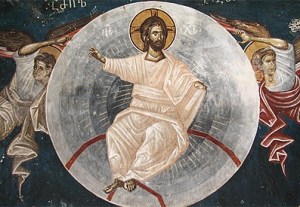 When I was in seminary, our homiletics professor had lots of advice and pointers for the Sunday homily – I am about to ignore one of the pieces of advice. The professor was pretty adamant about not explaining theology. And I mostly agree with his point – it can make a homily really dry and fill it with language that needs its own explanation. The professor’s final point was that you are likely to give an inaccurate or heretical version of the theology in any case.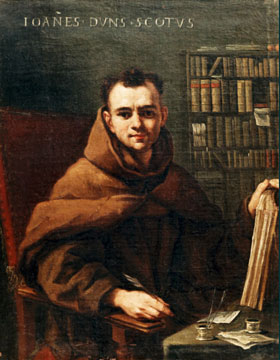
 Over the last few weeks, we described Francis of Assisi in the role in which he is most popularly recognizable: the lover of nature and animals. Interestingly, this role is not original in the Christian tradition. In a valuable book reviewing the nature stories of Franciscan literature, Edward Armstrong shows that many of Francis’ attitudes have precedents in biblical, early Christian, and medieval ideas about nature. One group of scholars place Francis in the tradition of hermits who retired to wilderness and befriended animals. Others associate him with a theological trend, unfortunately not dominant, which affirms creation as containing intrinsic value. Most see the stories about Francis as having precedents in the already-known lives of saints, although they may have been true of Francis as well.
  friarmusings