
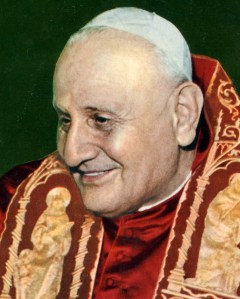
 There was a 1964 paperback floating around the seminary library called “Wit and Wisdom of Good Pope John,” written by a man named Henri Fesquet. Inside was a compilation of humorous stories about John XXIII, who died the year before the book was published. I jotted several down and recently found them during my “purging of old files” episode.
The most famous one occurred when the pope was innocently asked by a journalist how many people worked in the Vatican, he deadpanned, “About half of them.”
An even better sample of his humor occurred while visiting a hospital in Rome called the Hospital of the Holy Spirit, run by a group of Catholic sisters. As Fesquet tells the story, “The mother superior, deeply stirred by the papal visit, went up to him in order to introduce herself”: “Most Holy Father,” she said, “I am the superior of the Holy Spirit.” “Well, I must say you’re very lucky,” replied the pope. “I’m only the Vicar of Christ.”
 Several years ago I was putting together a series of posts that never went anywhere. It had more in common with an academic tome than blog post. Anyway… in cleaning up file on my hard drive, I ran across a document which might be of interest to folks…but then again, maybe not. In any case, here it is: an abbreviated glossary of the most common types of documents issued by the Holy See, and terms associated with them. (I will be curious to see the “open” statistics on this one!)
  Next Sunday is the
 We get lots of advice all through our lifetime. And it comes from many different venues. For example: advice on the best schools, places to live and vacation, and places to dine. If you buy a book on Amazon, watch a movie on Netflix, or do anything online, they are quick to advise you on other books to purchase, movies to watch, or what’s next in your life. Go to a brick-and-mortar book store and check out the self-help section for a universe of advice. Every aspect of our lives is a portal for advice; consider fashion advice. I have to admit I don’t pay too much attention these days. These days, my wardrobe consists of a basic brown Franciscan habit and minimal accessories – a knotted white cord to be precise. Still, it is all difficult to avoid in the course of a day.
 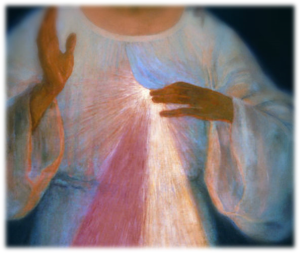 In last week’s column I wrote about forgiveness. I started out the column as a reflection on the readings from Scripture for the first week of Advent, noting how the readings did not seem to fit the mood of Christmas coming. The column explained that they weren’t meant to be – it’s Advent, a time of waiting and reflecting despite what the commercial world of commerce would have you believe. But maybe the draw of Christmas is too powerful. The column sort of morphed itself into the idea of forgiveness as the gift you give. The end of the column said: “What ‘Christmas gift’ comes along with this life of forgiveness? Lower blood pressure, restful night, sweet dreams, peace, no longer being a victim, uninterrupted prayer, a new experience of God’s love… and so much more. Your gift is waiting right there under the tree, the cross of Christ. Go ahead, open your gift. `Tis always the season.’”
  Every generation has events that shape the psyche and memory of their time. Consider the terror attacks of September 11th, 2001. Do you remember where you were when you heard the news? 27 percent of our current citizenry does not because they were born after or were too young to remember the events of that day. It is not that they are not familiar with the events of that day and all the consequences of it, but the day does not have the same resonance for them as it does for we watched in shock as the towers were struck and then fell.
  From the blog, “
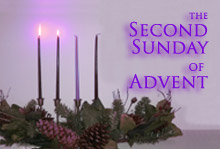 This coming Sunday marks our journey into a new liturgical year and a new Season, the
  friarmusings