Corpus Christi – other thoughts

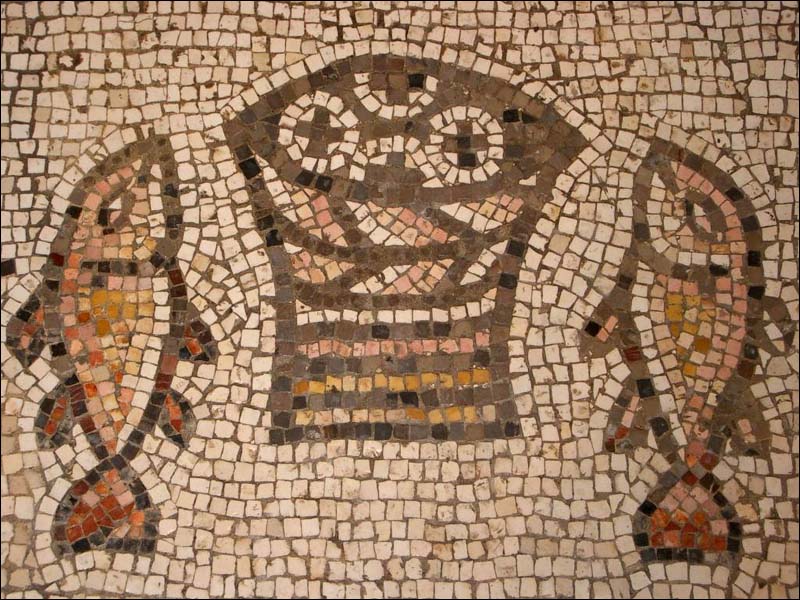
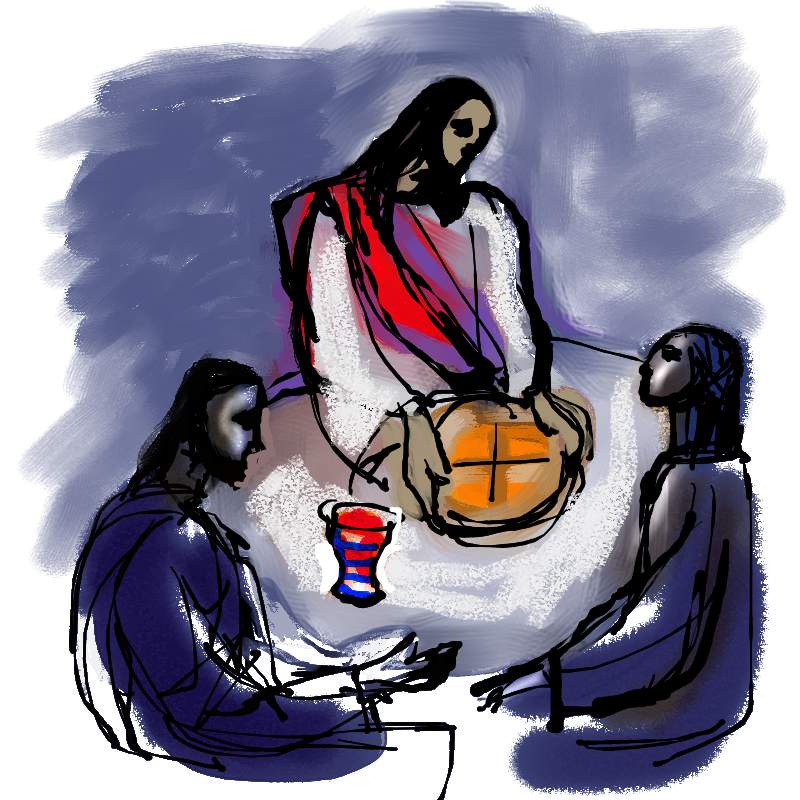
emaus02Where the principal focus of the previous section is the bread of life as the divine revelation given to men by and in Jesus, John 6:51 adds a clearly Eucharistic theme – ‘I am the living bread come down from heaven; whoever eats this bread will live forever; and the bread that I will give is my flesh for the life of the world.’ While some argue the words are metaphor, the Jews clearly understand. Jesus is referring to eating of his flesh. He recounts this action verb several other times between vv. 51-58, while adding the drinking of his blood to the command. This is no metaphor for accepting his revelation, already adequately expressed. Continue reading

Corpus Christi – metaphor and Eucharist

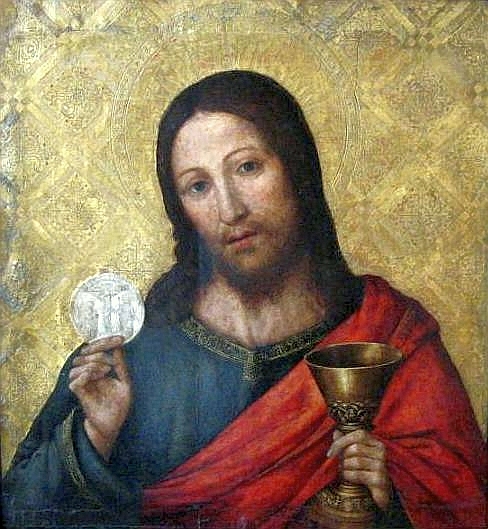
Christ_with_the_HostThe Eucharist. This section is written at two levels. At one level it is an on-going commentary on the verb “to eat” (cf. v. 31) summoning up a rich tradition of Eucharistic language: “bread,” “food,” “flesh,” “blood,” “to eat,” “to drink,” “will give,” “for your sakes.” The discourse, from v. 25 down to v. 59, presents Jesus as the true bread from heaven, replacing the former bread from heaven, the manna of the Law. The believer must accept the revelation of God that will take place in broken flesh and spilled blood (vv. 53-54), a never-failing nourishment (v. 35) that the Son of Man will give (v. 27). Continue reading

Corpus Christi – for the life of the world

His Life for the Life of the World. Jesus now associates the separation of flesh and blood in a violent death as the moment of total giving of himself. Jesus, the Son of Man, will give of his whole self for the life of the world (6:51c) by means of a violent encounter between himself and his enemies (1:5, 11; 2:18-20; 3:14; 5:16-18) in which his body will be broken and his blood will be poured out (6:53-54). This is the ongoing presence of Jesus in the gathered klasmata (vv. 12-13), the enduring gift that the Son of Man will give, the food that will not perish (v. 27) but will forever satisfy all hunger and thirst (v. 35). Continue reading

Corpus Christi: context

Corpus Christi processionOn this coming Sunday, the Church will celebrate Corpus Christi. At its core the solemnity is a celebration of the Tradition and belief in the Eucharist as the Real Presence of the Body and Blood of Jesus Christ. In the early church there was no perceived need for a unique celebration. Celebration of the Tradition and belief was part of the Holy Thursday liturgy. But that all changed in the 12th century. You can read more about how the feast came to have its feast day here. Continue reading

Corpus Christi

InRemembranceThis coming Sunday, the second reading – from 1 First Corinthians – calls us all to consider how and why we participate in the Holy Eucharist.

Introduction.  First Corinthians 11-14 deals with problems in the services of worship at the church of Corinth. Verses 2-16 of chapters 11 addressed the question of women covering their heads while praying and prophesying in the service of worship. Problems with the Lord’s Supper are treated in 1 Corinthians 11:17-34. Paul then moves on to the question of spiritual gifts and the exercise of prophecy, tongues, and interpretation. Continue reading