
 Shira Ovide sent out an interesting article. Shira writes a technology column for the NY Times. It is not a deeply technical article about software or the newest tech devices, but more a “big picture” view of things technical going on in the world. Her post today looks at what we think we know – that ain’t necessarily so. Some curious factoids:
- Americans spend about two-thirds of their TV time watching conventional television and just 6 percent streaming Netflix.
- Online shopping accounts for less than 14 percent of all the stuff that Americans buy.
- Remote work is a hot topic these days, but only about one in six U.S. employees are working that way.
- About 6 percent of Americans order from the most popular restaurant delivery company in the United States.
 Today is the Memorial of Saints John Fisher and Thomas More, the latter of the two who is more popularly known as he was the central character of the movie, “A Man for All Seasons.” The film depicts the final years of Sir Thomas More, the 16th-century Lord Chancellor of England who refused both to sign a letter asking Pope Clement VII to annul Henry VIII of England’s marriage to Catherine of Aragon and to take an Oath of Supremacy declaring Henry VIII Supreme Head of the Church of England. But St. John Fisher was in the same situation as Thomas More.
 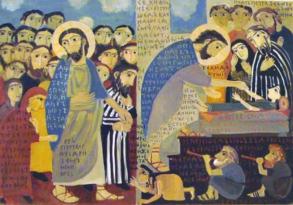 The full
  Last week (the 12th Sunday in Year B) we heard Mark’s account of Jesus on the stormy waters of the Sea of Galilee (Mark 4:35-41) during which Jesus calmed the seas with his word. This
 Let’s see…where was I? It has been several weeks since I posted about my time in mission in Kenya. In a previous post,
 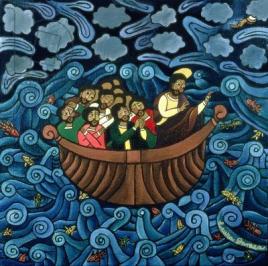 Then he asked them, “Why are you terrified? Do you not yet have faith?” They were filled with great awe and said to one another, “Who then is this whom even wind and sea obey?” (Mark 4:40-41)
 This coming Sunday is the
  The
The 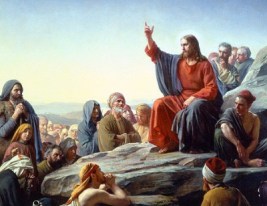 Jesus said to his disciples: “You have heard that it was said, You shall love your neighbor and hate your enemy. But I say to you, love your enemies and pray for those who persecute you, that you may be children of your heavenly Father, for he makes his sun rise on the bad and the good, and causes rain to fall on the just and the unjust. For if you love those who love you, what recompense will you have?
 friarmusings